
 Image 1 of 1
6-8pm
Thursday, January 29
In this generative workshop, we'll explore the ways that documentary poetics can be used to crack open, broaden, or crumble official narratives--especially in situations of injustice. When systems and institutions tell one type of story--what power can poetry claim? What unique roles can poetry play? Guided by the work of poets such as Solmaz Sharif, Layli Long Soldier, and Jenny Molberg, we will experiment with different approaches to documentary poetics and write our own poems of fuller and richer truth.
If you have an idea of a document you might like to work with (news articles, court filings, political speeches, police statements, etc), please feel free to bring it to the workshop (physical copies are fantastic, but digital is good too). If not, come with thoughts about an issue or situation you'd like to explore in your work.
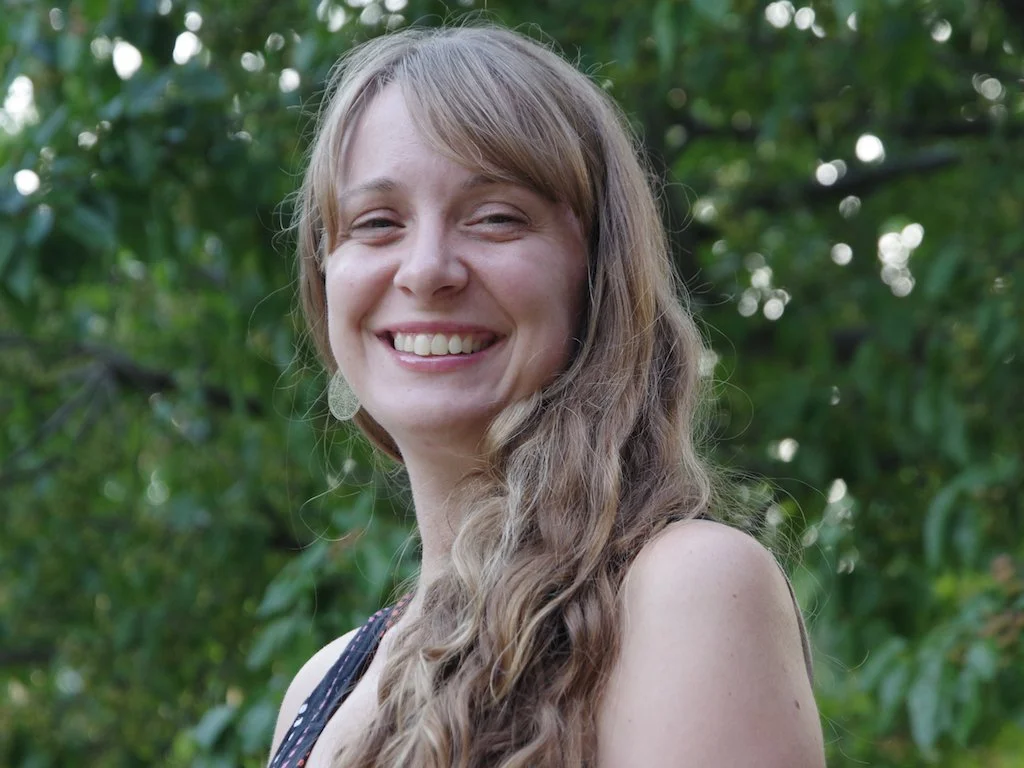
Teresa Dzieglewicz is a Pushcart Prize-winning poet, educator, and lover of rivers and prairies. She is a fellow with Black Earth Institute, a Poet-in-Residence at the Chicago Poetry Center, and part of the founding team of Mni Wichoni Nakicizin Wounspe (Defenders of the Water School). With Natasha Mijares, she organizes "Watershed: Ways of Seeing the Chicago River." Her first book of poetry, Something Small of How to See a River was selected by Tyehimba Jess for the Dorset Prize (Tupelo Press). Her first children's book, Belonging, co-written with Kimimila Locke, is forthcoming from Chronicle Books. She has won a Pushcart Prize, Best New Poets, the Gingko Prize, the Auburn Witness Prize, and the Palette Poetry Prize. Teresa lives with her family in Chicago, on Potawatomi land.
6-8pm
Thursday, January 29
In this generative workshop, we'll explore the ways that documentary poetics can be used to crack open, broaden, or crumble official narratives--especially in situations of injustice. When systems and institutions tell one type of story--what power can poetry claim? What unique roles can poetry play? Guided by the work of poets such as Solmaz Sharif, Layli Long Soldier, and Jenny Molberg, we will experiment with different approaches to documentary poetics and write our own poems of fuller and richer truth.
If you have an idea of a document you might like to work with (news articles, court filings, political speeches, police statements, etc), please feel free to bring it to the workshop (physical copies are fantastic, but digital is good too). If not, come with thoughts about an issue or situation you'd like to explore in your work.
Teresa Dzieglewicz is a Pushcart Prize-winning poet, educator, and lover of rivers and prairies. She is a fellow with Black Earth Institute, a Poet-in-Residence at the Chicago Poetry Center, and part of the founding team of Mni Wichoni Nakicizin Wounspe (Defenders of the Water School). With Natasha Mijares, she organizes "Watershed: Ways of Seeing the Chicago River." Her first book of poetry, Something Small of How to See a River was selected by Tyehimba Jess for the Dorset Prize (Tupelo Press). Her first children's book, Belonging, co-written with Kimimila Locke, is forthcoming from Chronicle Books. She has won a Pushcart Prize, Best New Poets, the Gingko Prize, the Auburn Witness Prize, and the Palette Poetry Prize. Teresa lives with her family in Chicago, on Potawatomi land.